“Plausible deniability” – ‘What I don’t know won’t hurt me’.
It’s one of the big reasons why men are quietly terrified of a medical WOF according to MHW Ambassador and health coach Kent Johns
Men’s Health Week is a timely reminder that small changes matter.
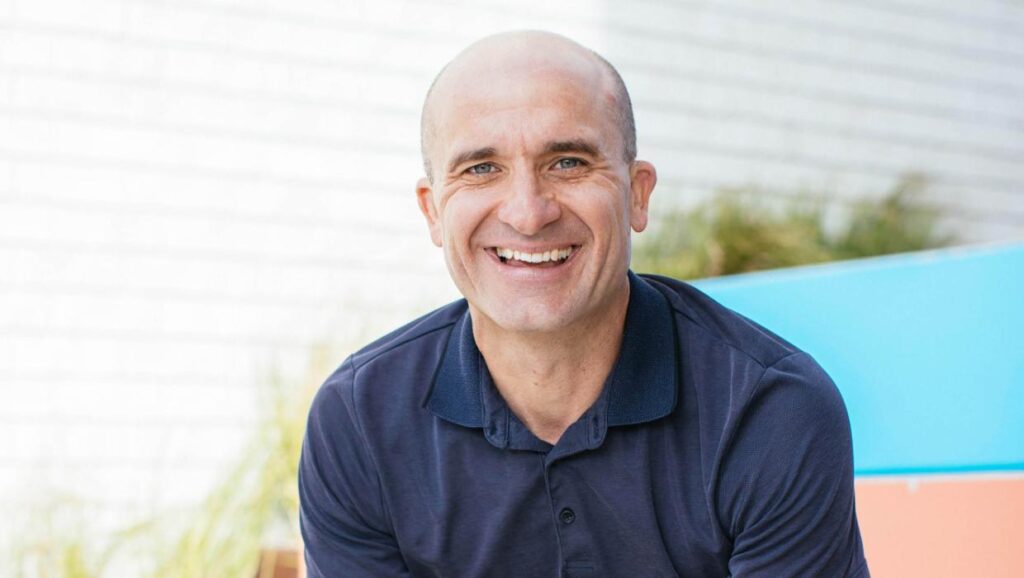
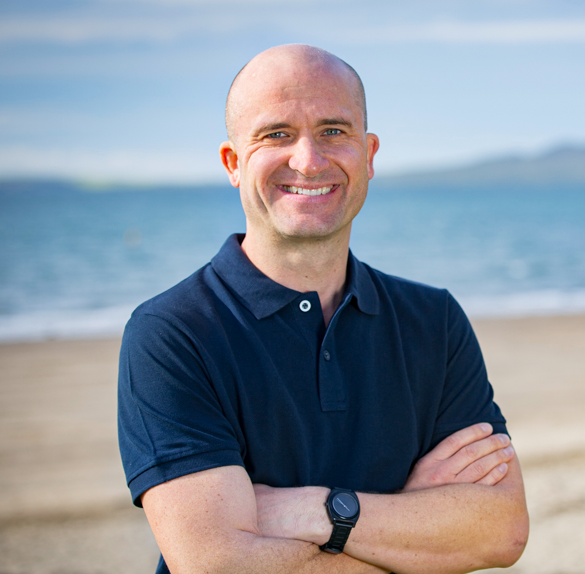
Health coach and Men’s Health Week ambassador Kent Johns spoke to The House of Wellness about the warning signs men ignore, why health conversations can be hard and habits that make a difference.
As an ambassador, what does your involvement with Men’s Health Week look like?
This is my third year as an ambassador. I’ll be talking about the importance of being our own biggest champions – sharing my story of being physically and mentally unwell and what I’ve learned along the way. The messaging is simple: prioritising our health isn’t selfish, because everyone who matters in our lives benefits when we’re the best version of ourselves.
What are the most common warning signs men tend to ignore?
Low energy, grumpiness, lack of motivation, general malaise. These are all worth paying attention to. We’ll often push through joint pain and stiffness too. The ‘she’ll be right’ attitude that serves us well in other areas simply doesn’t cut it when it comes to our own health. We can’t afford to ignore the warning lights on the dashboard.
What’s one health habit most men are probably overdue on?
An annual WOF at the doctor’s for blood pressure, waist circumference, a blood test. The conversation with your nurse or GP doesn’t need to be a deep and meaningful one. Just having the basic numbers is vital for knowing how you’re tracking.
Why is booking a doctor’s appointment still such a barrier for so many men?
Plausible deniability. It’s easy to think, “What I don’t know won’t hurt me.” I reckon a lot of us are quietly scared we’ll be told we’re doing it wrong. Kiwi men tend to be uncomfortable with vulnerability. Asking for help can feel like weakness, when it isn’t.
What do men most often get wrong about fitness or being healthy?
The all-or-nothing approach. We think we need to be fully committed or not bother at all, so when we can’t go all in, we either don’t start or we quit. But a 10-minute walk beats no walk. Two beers aren’t four. Not working late helps you sleep better. I call these the little wins, and they’re like compounding interest. They make a massive difference over time.
What’s your advice for opening a health conversation with a mate who avoids it?
Ask rather than tell, and stay curious – it lowers the judgement. And don’t be set on him opening up to you specifically. He might not be ready or he might need to talk to someone else. Either way, holding space for him and being willing to listen makes you a good mate.
How important are the basics – sleep, movement, food – compared to big, dramatic health changes?
It’s hard to overstate the impact of eating well, moving regularly and prioritising sleep. I’d add connection with mates in there too. I call these the ‘core four’ – eat, move, sleep, laugh. In my experience, dramatic changes only tend to happen once we’ve got these foundations in place. Small shifts lead to big results.
What’s the best advice you’ve been given about your own health?
Be curious about yourself and give things a try because you might be surprised. Scientists call it an N=1 experiment. I love the sauna now and take a cold shower every day, both of which I once would’ve flat-out refused. As a health coach, I can only take people as far as I’m prepared to go myself.
If Men’s Health Week could create one lasting habit, what should it be?
Ask yourself: “What actually works for me? Is it movement? Better sleep? Time with mates?” Then book a standard health check every year around your birthday and make it non-negotiable. Our health is everything. Without it, we simply can’t show up for the things and the people that matter most. We’ve got this, fellas.